01
Accessible 24/7
Sports and play equipment is available whenever residents want to use it. No opening hours, no waiting lists — just public space that works the way life does.
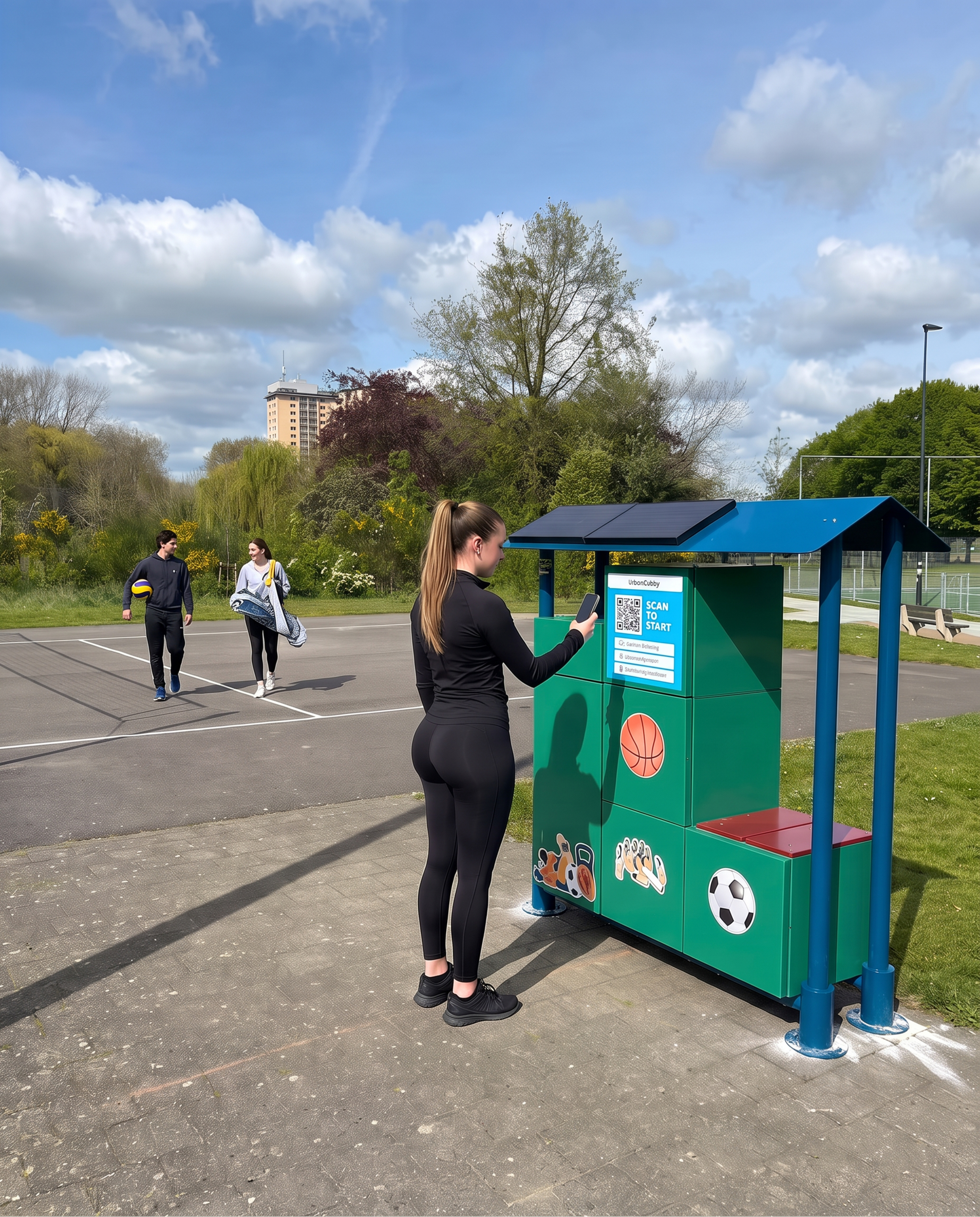
 MONITOR · EDITION 01 · 2026
More movement in neighbourhoods and parks, without permanent supervision. Discover how cities and municipalities make sports and play equipment accessible 24/7 with UrbanCubby.
Four fundamentals that turn a bank of lockers into an instrument for public space.
Sports and play equipment is available whenever residents want to use it. No opening hours, no waiting lists — just public space that works the way life does.
People decide to move on the spot because the equipment is right there. A basketball within reach turns a square into a sports field — no reservation, no barrier.
Fully managed digitally through a web application. Real-time insight into usage, maintenance and occupancy gives policymakers data they can build on.
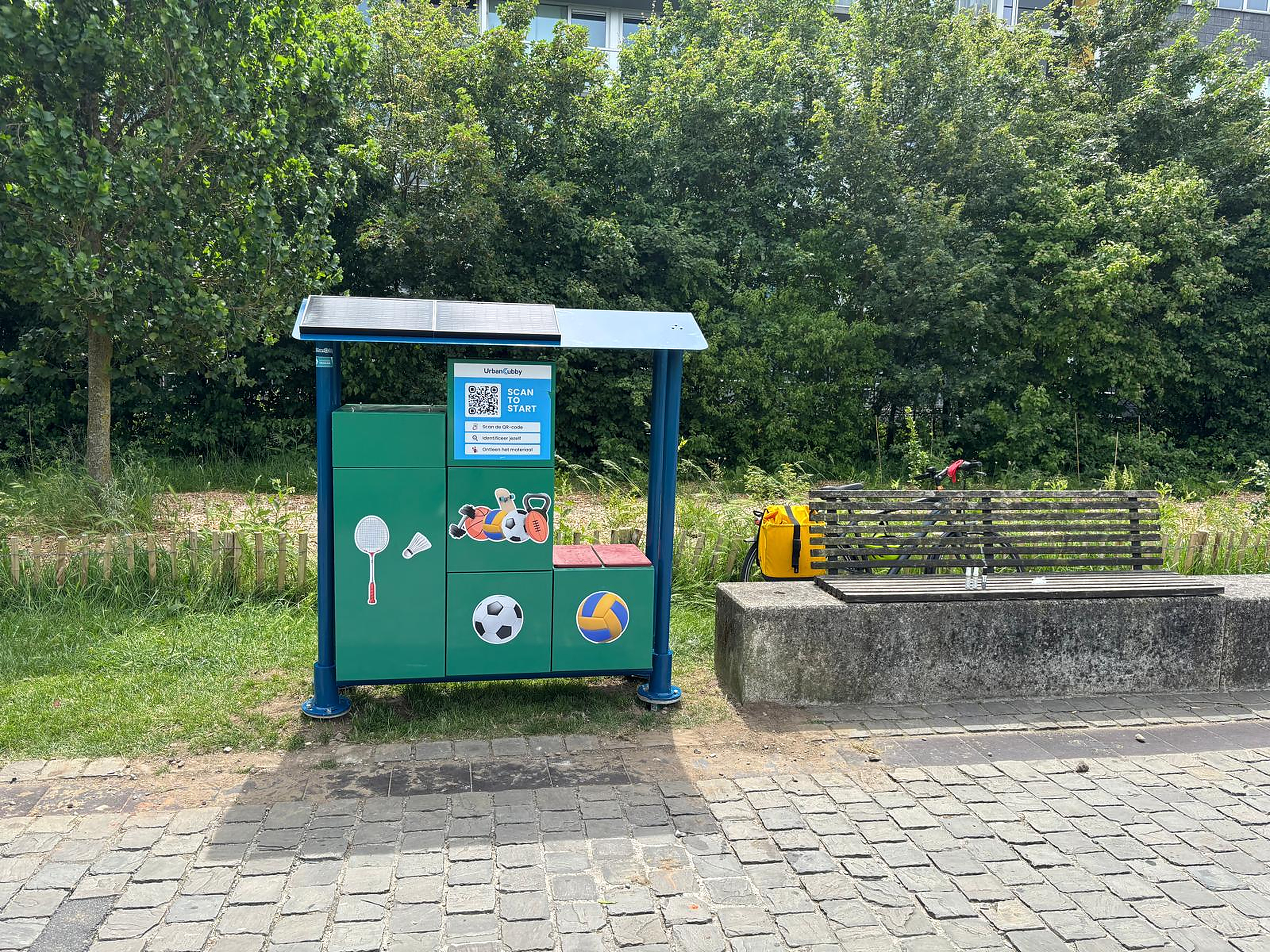
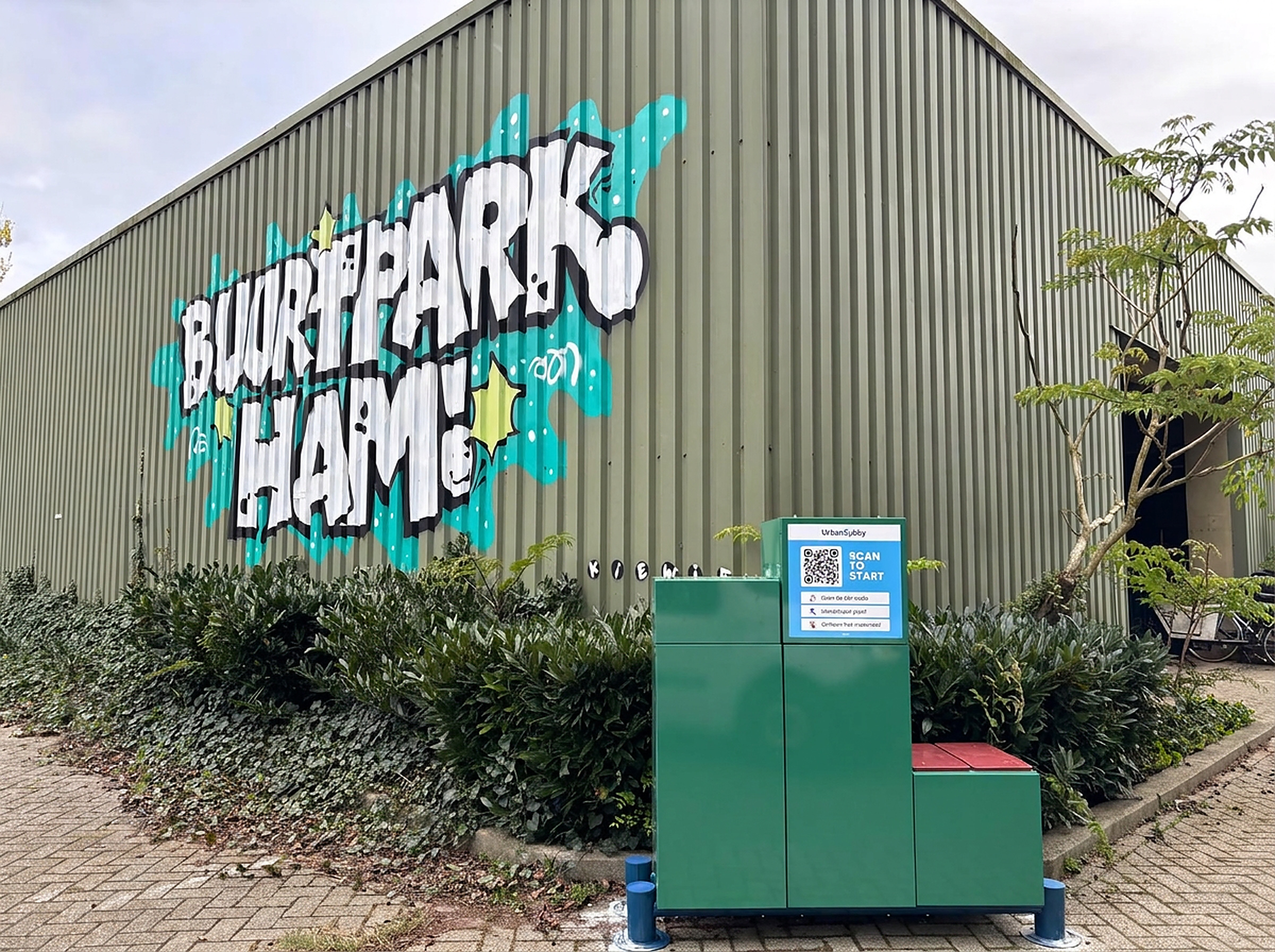
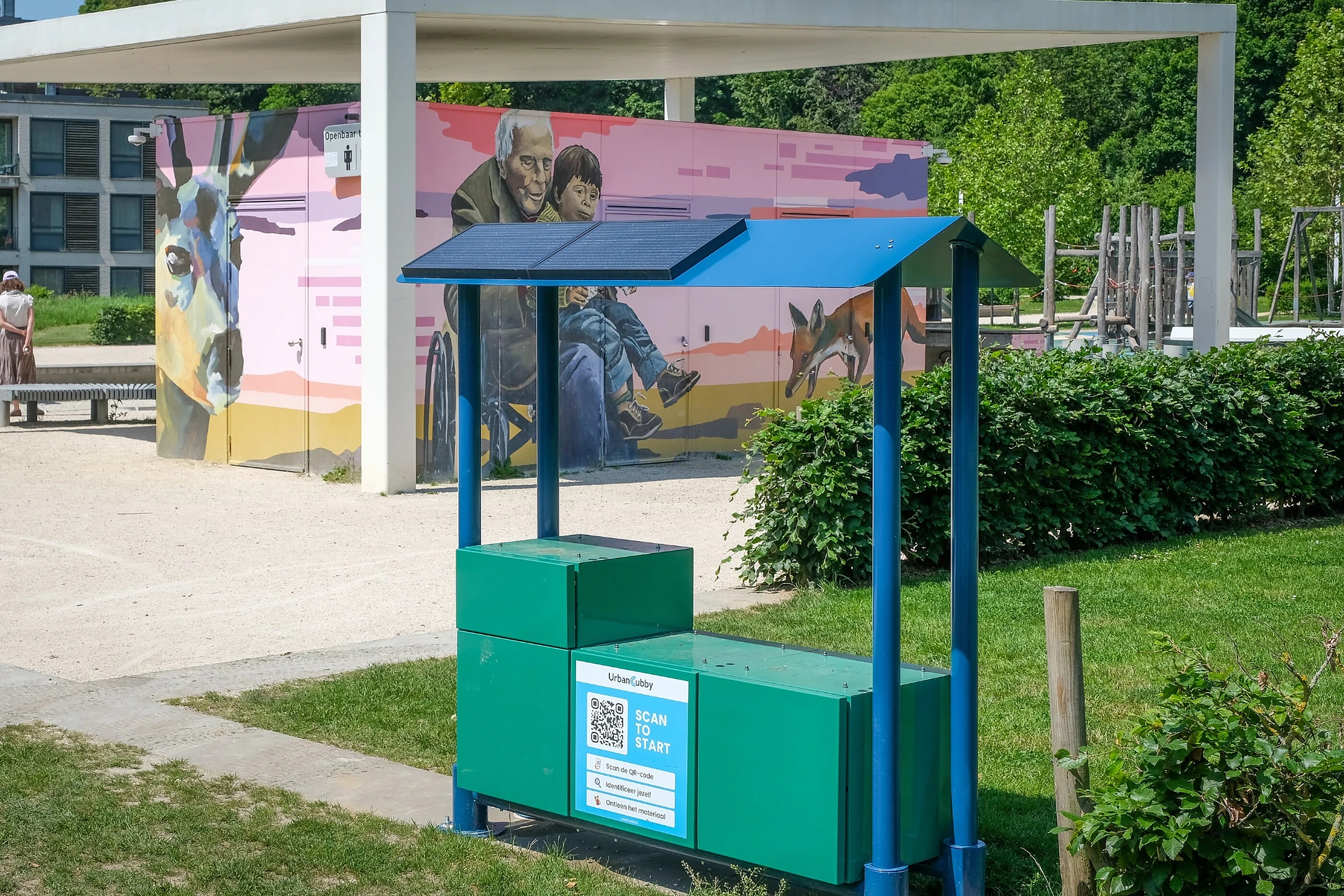
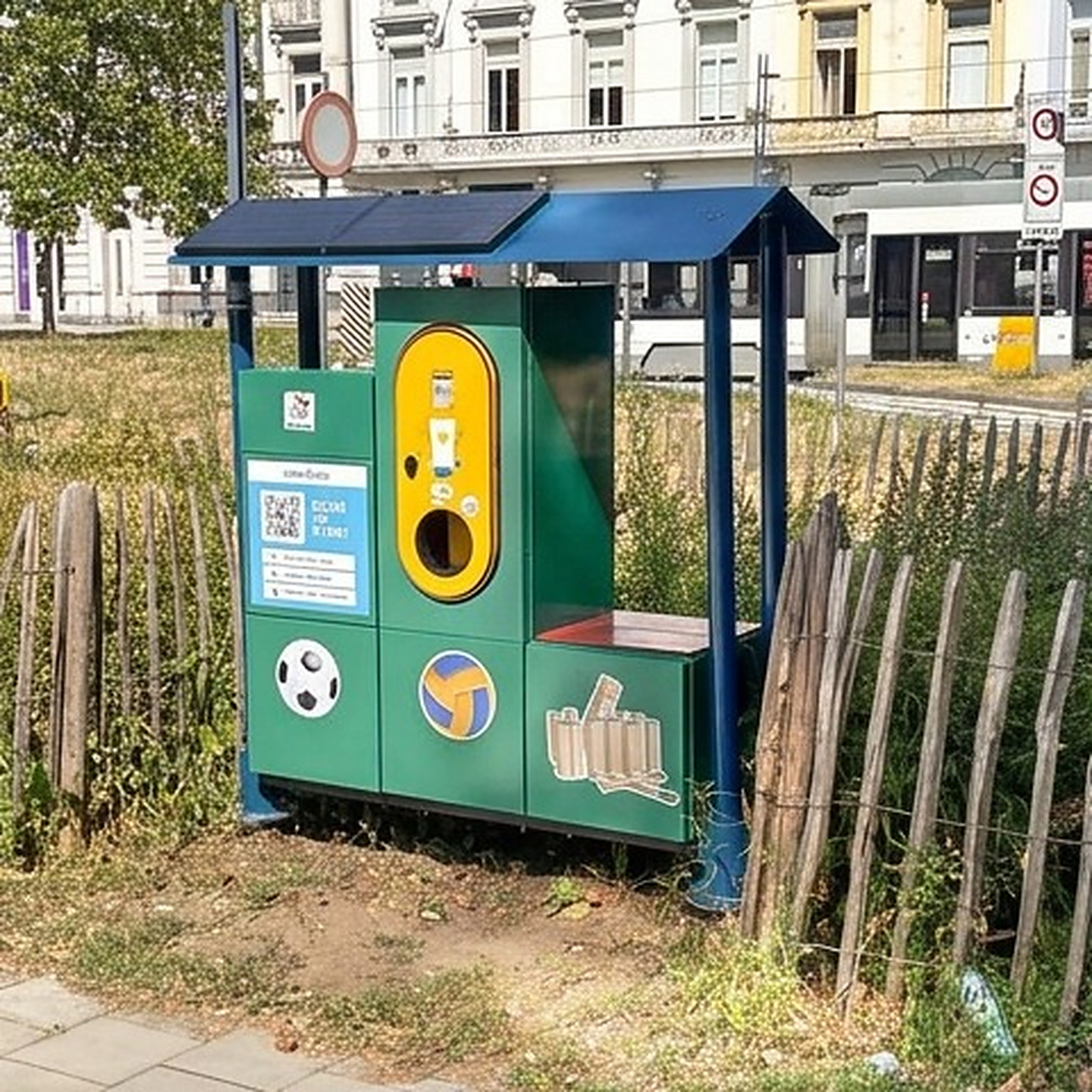
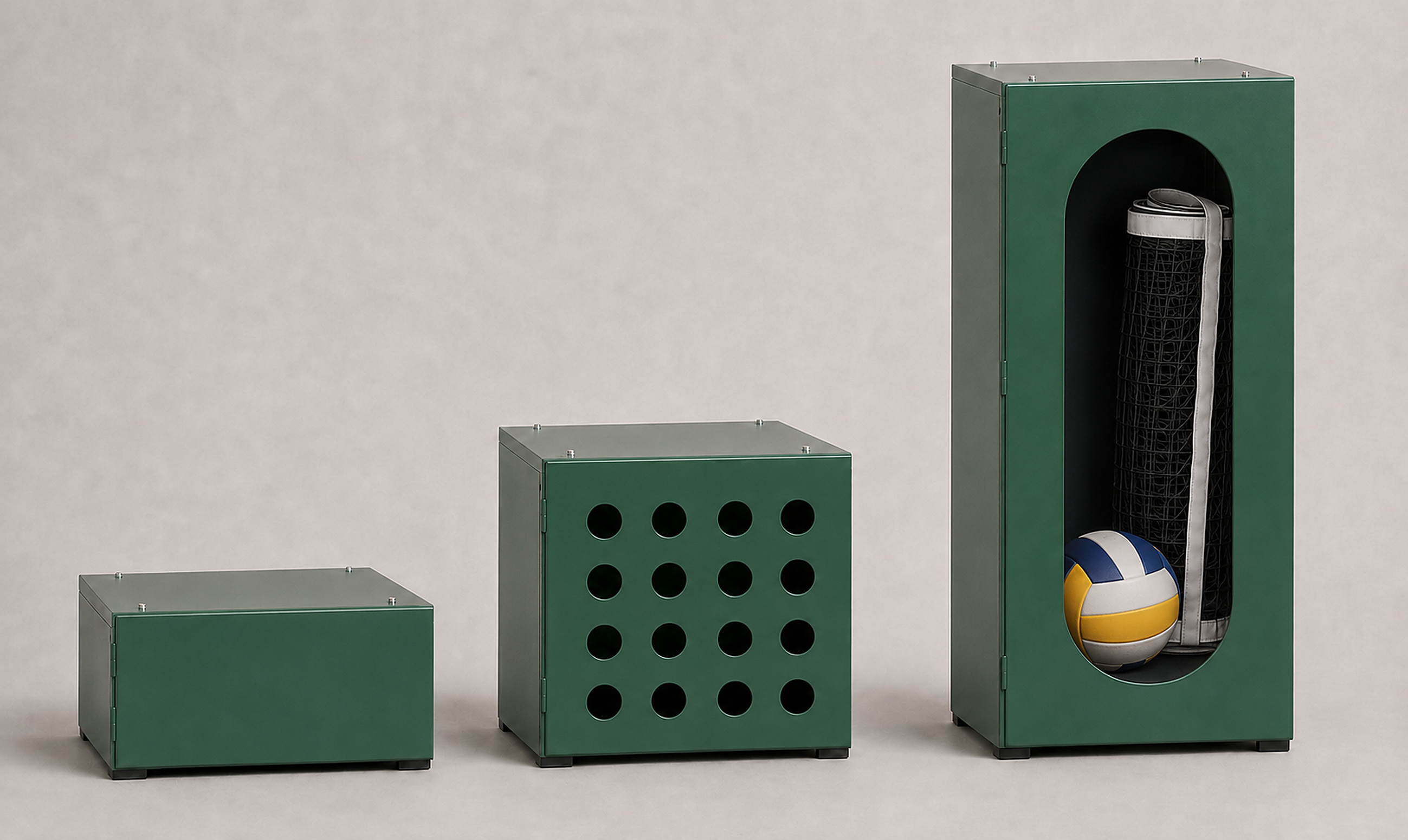
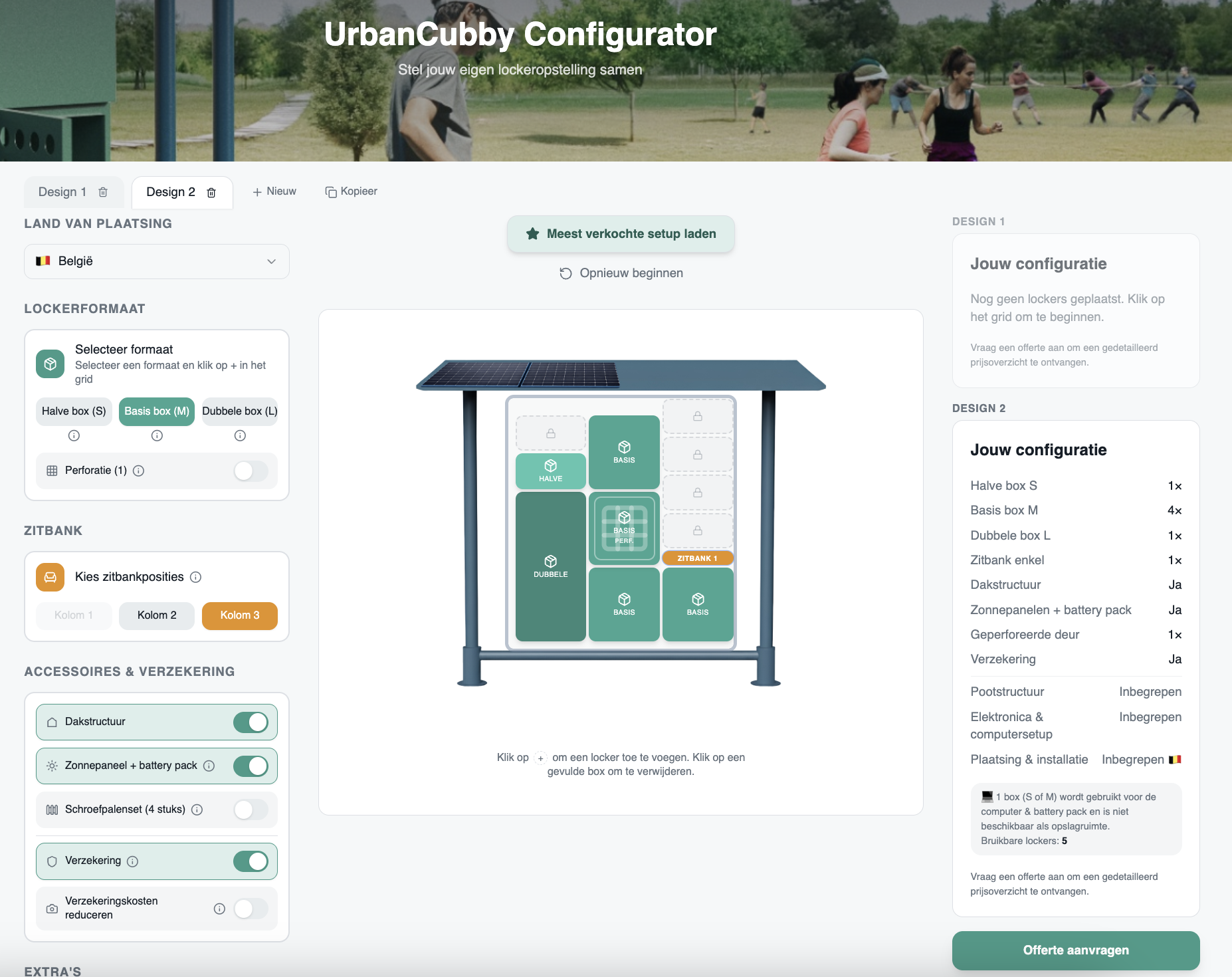
Every UrbanCubby is composed to suit the location: half box, base box or double box, with solid, perforated or transparent doors. Prices start from approximately € 3,500 excl. VAT.
Four steps determine whether public shared equipment works: how easily the user reaches it, how little work it costs the department, how it is powered and where it stands.
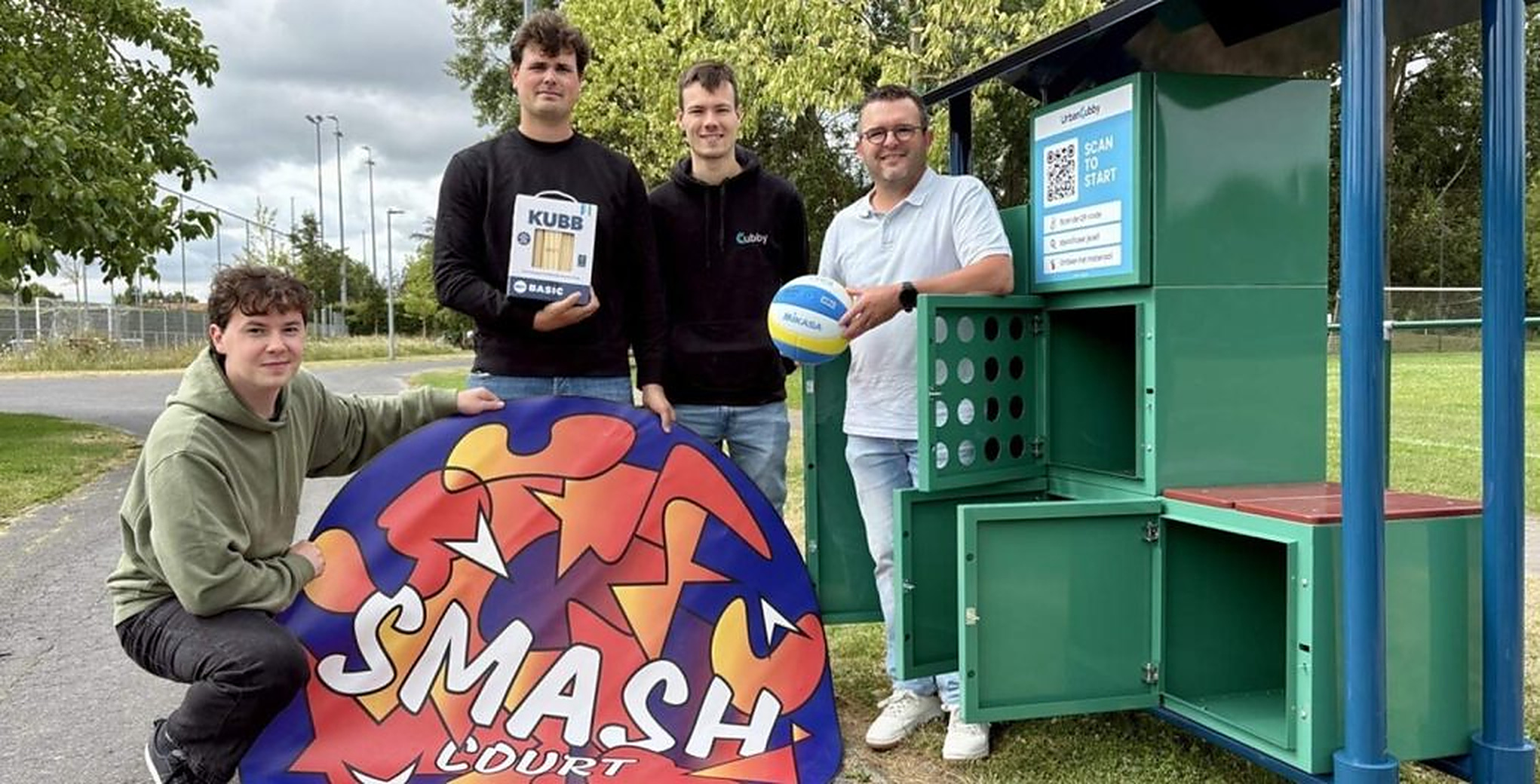
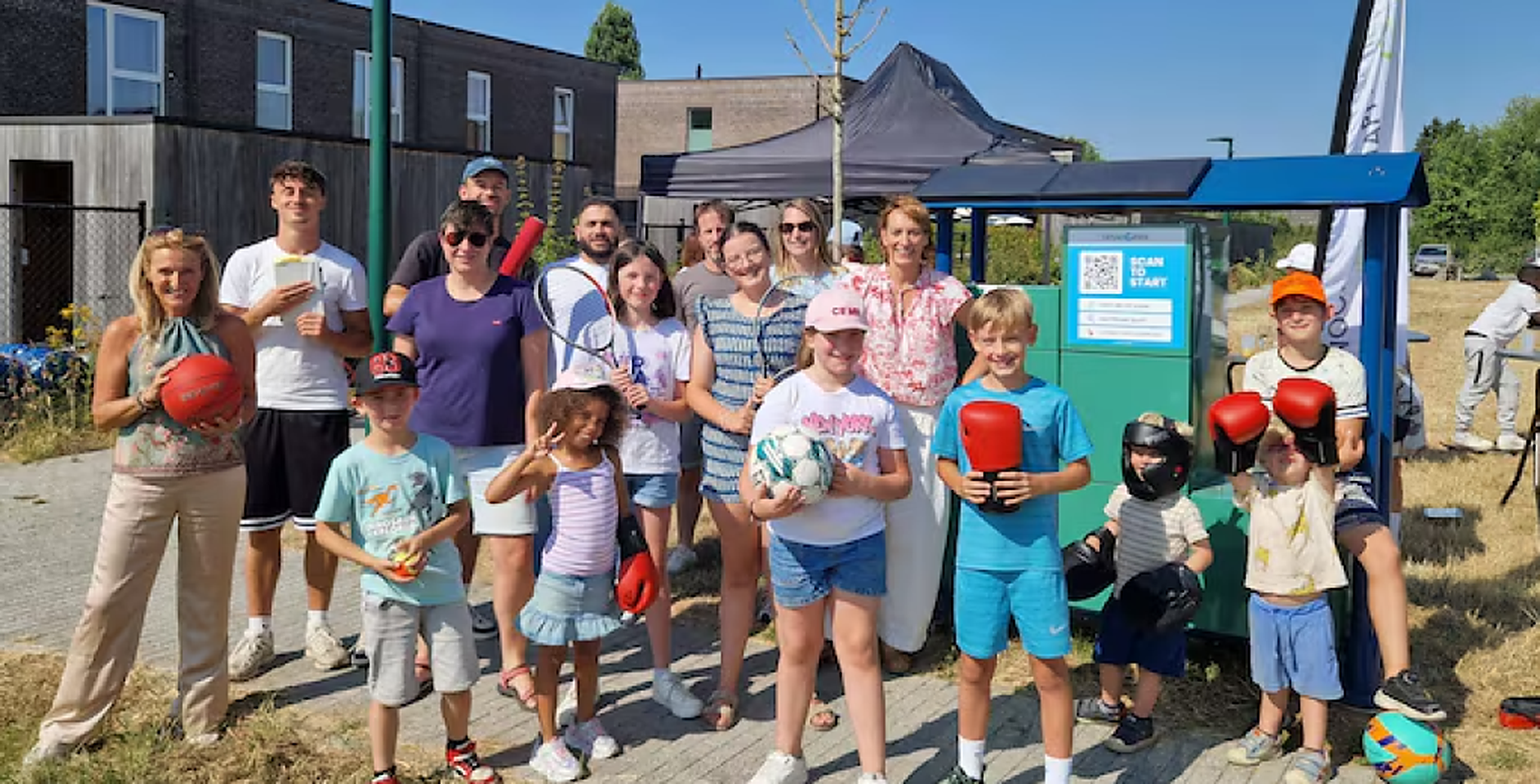
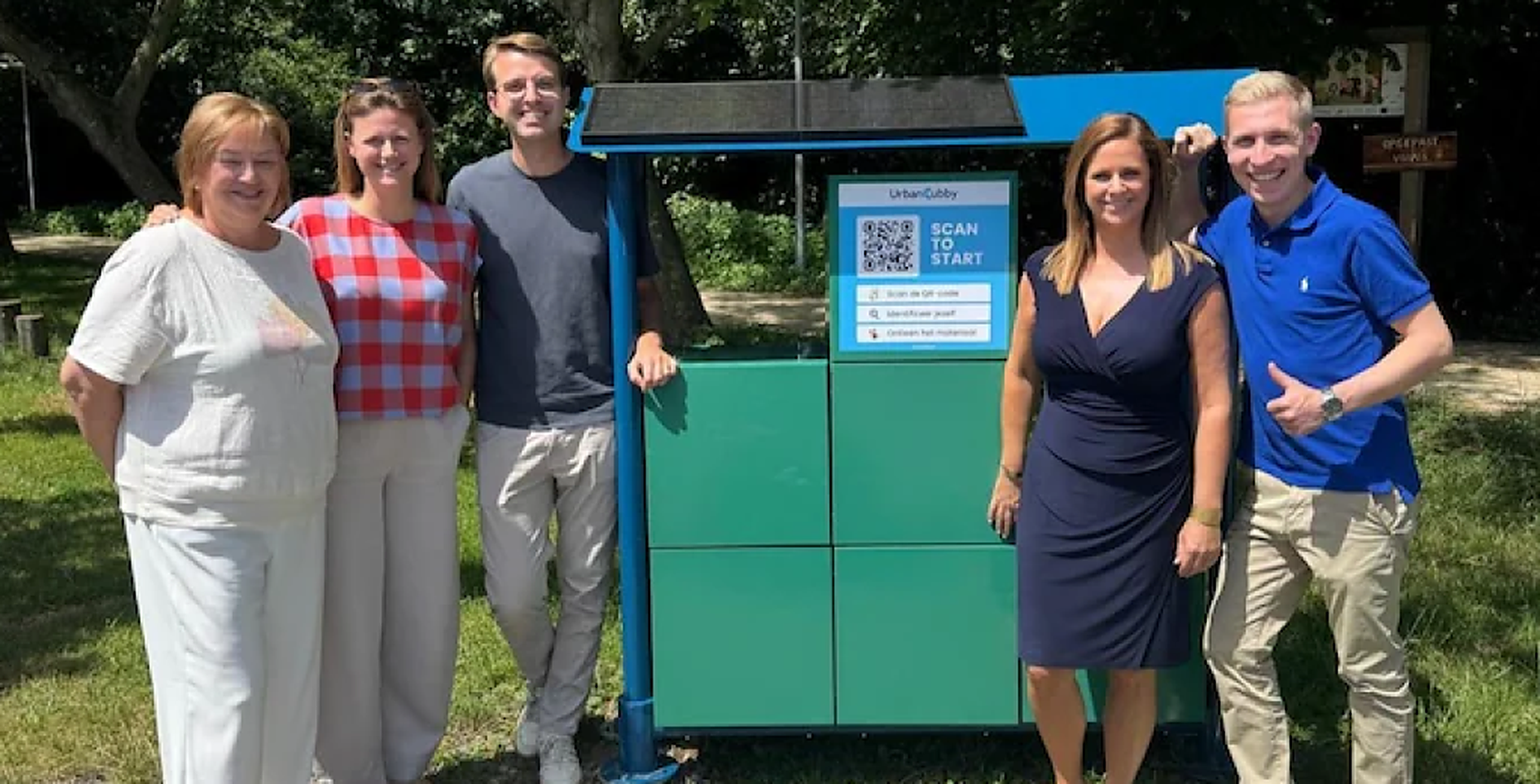
Scan the QR code on the UrbanCubby, pick your equipment in the web app and the door opens. No app download, no registration procedure, no key or badge.
The municipality manages lockers, equipment, rates and opening hours through an online dashboard. Real-time usage data and notifications make follow-up and reporting simple.
An UrbanCubby runs on mains power or autonomously on solar energy. That makes even a location without a connection — a park, square or playing field — immediately usable.
Placement is possible on paving or on grass, with a compact footprint. After the first installation, expanding with extra boxes or locations is always an option.
Depending on location, target group and project objective, funding opportunities may be available. Cubby helps identify relevant calls and supports the application wherever possible.
UrbanCubbies are produced in West Flanders through social employment — a relevant element in applications around local economy, employment and sustainability.
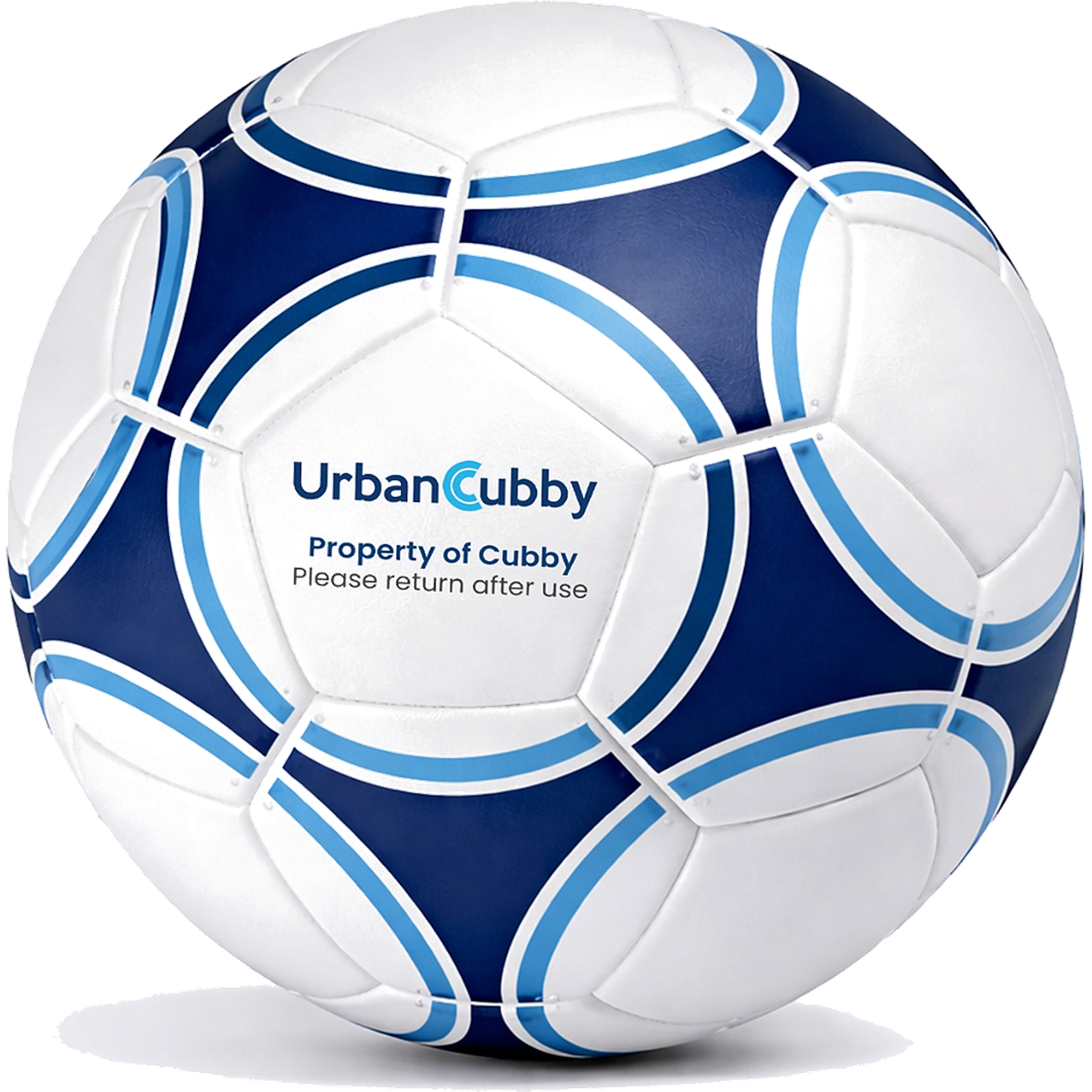
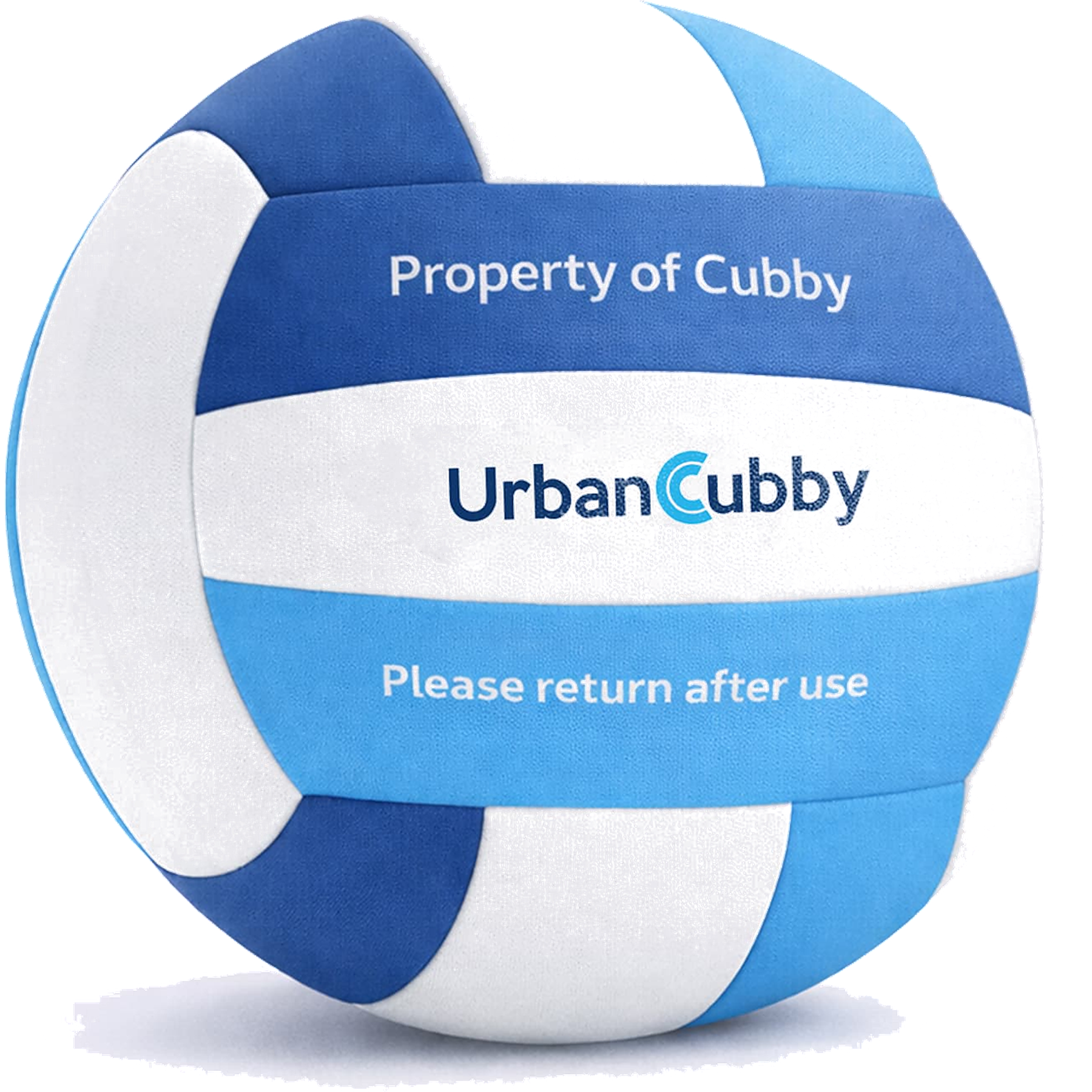
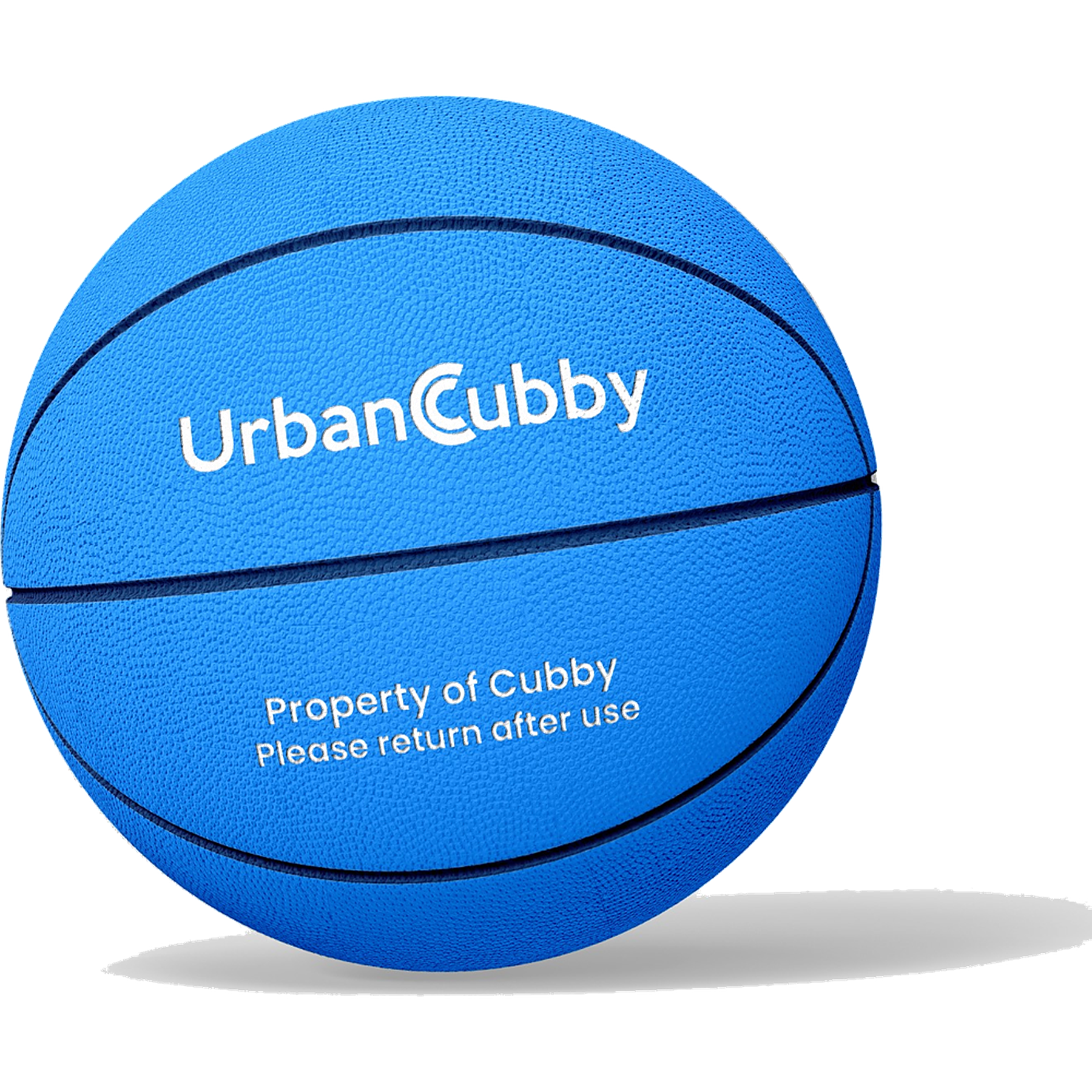
All loan equipment is personalised in the UrbanCubby house style and carries the wording “Property of Cubby — please return after use”. That recognisability makes resale unattractive and lowers theft and loss, while making the collective, public nature of the equipment visible.
1,061 registered loan sessions · Ghent + 6 municipalities · up to and including June 2026
Combined data from Ghent — the longest operational network — and six other municipalities. Traditional sports and play equipment — football, volleyball, basketball, kubb, pétanque — is by far the most popular, even though you would expect people to own it themselves or to be able to buy it easily. The barrier is therefore not ownership, but access: having equipment at hand at the moment and the place where people want to play.
UrbanCubbies operational in Flanders
Cities and municipalities with an active project
Confirmed public loans — measured baseline
Produced in West Flanders · social employment
All usage figures are recalculated to one year per reporting UrbanCubby. That way a new installation is compared fairly with a location that has been active for months.
confirmed loans as the baseline
loans per year across 25 UrbanCubbies
participant moments per year
Annual projection = loans ÷ active installation days × 365, per individual UrbanCubby. The bar shows this pace per installation, so a new location is compared fairly with an older one. Below the municipality name is the number of installations; ‘total’ is the projection for the entire city or municipality (installations × pace). 21 installations across 7 cities and municipalities report data; the network counts 25 UrbanCubbies. Ghent is shown as a range because of its phased rollout (1 March–1 April). *Tervuren: provisional start 27 May. *Bruges: 14 active days, one reporting installation.
projected loans per reporting UrbanCubby on an annual basis. An installation running for two weeks is thus compared fairly with one that has been active for months.
conservative — 2 participants per loan
recommended — 4 participants per loan
high — 5 participants per loan
Source: UrbanCubby location reports (7 cities and municipalities, 2026). 1,061 loans were measured; all annual figures are projections based on active installation days. Network projection: approximately 6,900–8,000 loans per year across 25 installations at the observed pace. Participant moments are estimated annual participations, not unique individuals.
Configure online — choose module, door type and power supply. Or simply call us: together we look at which location in your city or municipality generates the most movement.
Send us a location or a plan and we will visit with a concrete proposal: configuration, equipment package, budget and possible funding routes.